Learn how to say German numbers
In this tutorial you will learn to count numbers in German. Counting numbers in German is an interesting part of learning German. You will learn to count German numbers by learning simple tips.
The more you know about German numbers, the easier and faster you will learn them. In this article, we will discuss how to learn, memorize and use German numbers.
در صورتی که نیاز به ترجمه متون آلمانی به فارسی دارید این خدمات توسط تیم ما انجام می گردد.
Counting German numbers from 1 to 10 + pronunciation of German numbers
There is no rule for counting German numbers from zero to ten. So it is important to remember these numbers, because we need them to count larger numbers.
درصورتی که نیاز به آشنایی بیشتر با زبان آلمانی دارید مطلب زیر را بخوانید.

چند نمونه از بهترین دیکشنری های رایگان برای یادگیری زبان آلمانی
استفاده از این برنامهها به شما کمک میکند تا بهتر و راحتتر با زبان آلمانی آشنا شوید و شما را همراهی میکند تا دایره واژگان خود را وسعت بخشید. دیکشنری رایگان ویدا لینگوآ vidalingua این فرهنگ لغت همانند یک بازی جذاب و بسیار راحت میباشد. در این دیکشنری رایگان افراد میتوانند تمام مکالمات و عبارات…

German numbers from 0 to 10 are:
- 0: Null
- 1: Ein
- 2: Zwei
- 3: Drei
- 4: Vier
- 5: Fünf
- 6: Sechs
- 7: Sieben
- 8: Acht
- 9: Neun
- 10: Zehn
You will easily learn German numbers from 0 to 10 by practicing and repeating several times. The important thing to know when counting German numbers is that learning single-digit numbers is a good help for learning larger numbers.
For example, in Persian we make these with the number eight: “18”, “28”, “80”.
We do the same in German:
- 8: Acht
- 18: Achtzehn
- 28: Achtundzwanzig
- 80: Achtzig
Counting German numbers from 11 to 20
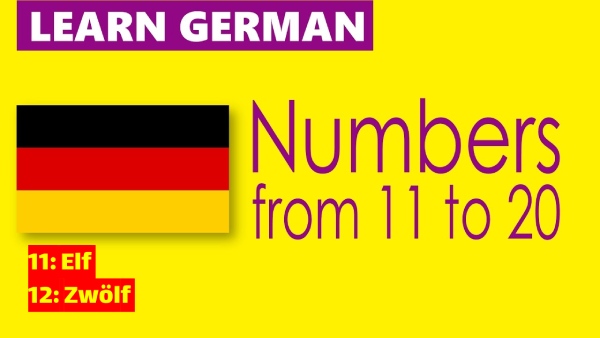
The numbers 11 and 12 in German do not follow a specific pattern. You just have to keep memory them.
- 11: Elf
- 12: Zwölf
Counting German numbers from 13 to 20
- 13: Dreizehn
- 14: Vierzehn
- 15: Fünfzehn
- 16: Sechszehn
- 17: Siebzehn
- 18: Achtzehn
- 19: Neunzehn
- 20: Zwanzig
Your motivation for learning German
It is no secret that motivation is essential for learning a foreign language.
Why do you want to learn German? Keep the answer to this question in mind and set weekly or even daily goals for maximum efficiency.
Make a list of reasons why you want to learn German. How German will benefit your life and what you can do with it. Goal setting helps you stay motivated and interested. Remind yourself every day why you are learning this beautiful language.
Mother tongue
One of the most important factors in the speed of language learning is your personal experience of languages. What your mother tongue is and what other languages you speak is crucial to the speed with which you learn German.
If English is your mother tongue or second language, you are in luck! German and English actually have the same roots. Forty percent of German words are similar to English words.
On the other hand, if your mother tongue is Semitic like Arabic, it may be a little harder to learn German, but it is more challenging and valuable.
How much time you spend studying German
Another important point in learning German is the time you devote to it. If you want to learn fast, try to spend as much time as you can learning.
Daily practice is ideal. Research has shown that learners who spend an hour a day learning a language – whether reading grammar, memorizing new words, watching a movie or reading a book – are significantly faster than those who attend weekly classes alone.
A better option is full immersion in the language. If you can travel to Germany and live there for a while, you will see a big difference in the amount and speed of your learning.
 معرفی خدمات دارالترجمه ها